

Big weddings are not limited to the flashy, over-the-top ceremonies that you see on TV. Although some people prefer a simple wedding without hundreds of guests surrounding them as they say “I do,” others want a more intimate ceremony with just their closest family and friends present. Aside from convenience issues, smaller weddings are becoming more popular as the COVID-19 epidemic has encouraged social isolation. Here are some great ideas on pulling off the perfect small-scale wedding ceremonies.
Who to invite
When you’re creating your guest list, keep in mind that although having lots of people there, you might want to avoid inviting more than you actually know. By having more people there, it can seem impersonal and forced. If you’re not sure how many people to invite, ask yourself who makes the most important day of your life perfect for you, and then go from there. Quality over quantity is very important for small weddings.
Guidelines for Guest Selection
Deciding who to invite to your small-scale wedding can be challenging, but focusing on the people who matter most to you is key. Start by prioritising immediate family members and your closest friends, those who have supported you and been actively involved in your lives as a couple. Consider inviting individuals who play a significant role in your relationship, such as mentors or loved ones who have witnessed your journey together. It’s also helpful to ask yourself if you would genuinely miss having someone present before adding them to the list.
Managing Expectations
Handling situations where people expect an invitation but won’t be included can be delicate, especially with small guest lists. The key is to approach these conversations with honesty and kindness. Start by acknowledging how much the person means to you, but explain the constraints of your celebration, such as budget or venue capacity. Keeping your explanation simple and sincere can help avoid hurt feelings. It’s also important to remember that not everyone will take the news well, and that’s okay. Focus on maintaining meaningful relationships and consider hosting a separate gathering or celebration for those who aren’t on the guest list, giving them an opportunity to share in your joy without impacting your main event.
Where to have the ceremony
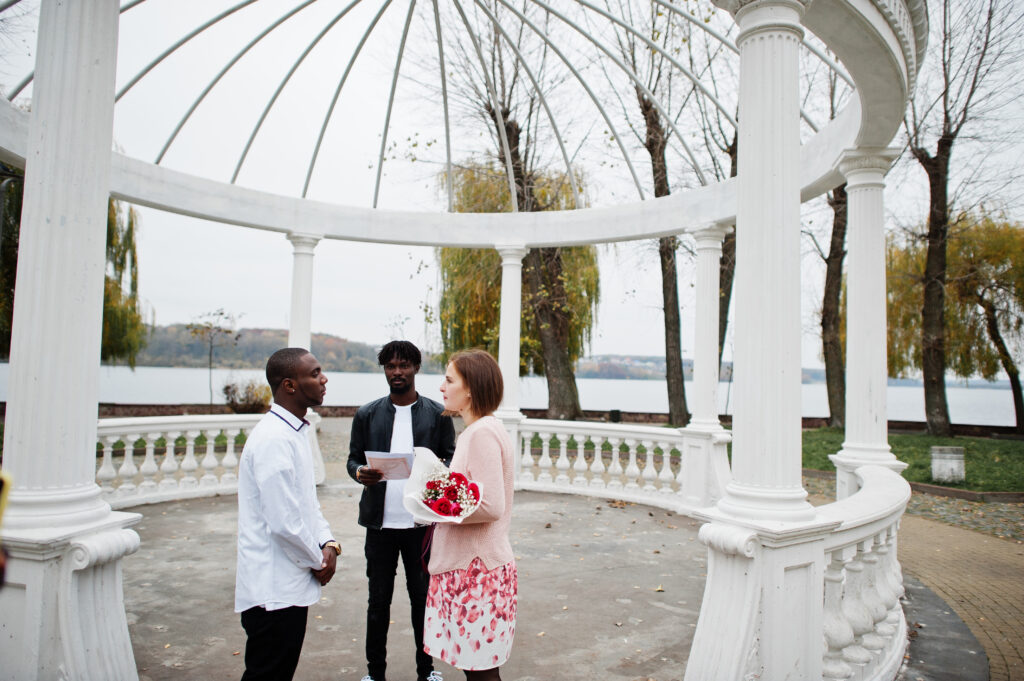
It doesn’t matter if it’s inside or outside; each has its own charm and advantages. Some people prefer having their wedding indoors because of fear of rain or sunny weather (but if that’s what you like then go for it). Another advantage is the fact that many wedding venues have a built-in sound system and an area dedicated as a dance floor! Outdoor ceremonies tend to be a little bit cheaper per person because you don’t have to use as many decorations, flowers, and such.
Wherever you choose to have the wedding, whatever the weather may be, just remember that what really matters is having your friends and family surrounding you on the most important day of your life.
What to wear
If you’re having a small and intimate wedding, you don’t have to spend thousands on wedding dresses and suits. Just make sure that your dress or suit is comfortable enough, as long as you’re happy wearing it. Most friends and family won’t really care what you’re wearing if they see how happy you are on your wedding day.
Alternative Attire Ideas
For couples looking to break away from tradition, there are plenty of stylish and unique options to consider for your wedding day. Instead of a classic gown or suit, why not opt for a chic jumpsuit or a flowy sundress? These options not only provide comfort but also offer a modern and relaxed vibe. For those who prefer a tailored look, separates like a tailored blazer paired with trousers or a skirt can be an elegant and contemporary choice.
Eco-conscious and budget-friendly options can also be explored. Renting outfits allows you to wear something stunning for your special day without the long-term commitment or high cost. Alternatively, shopping vintage can unveil timeless and one-of-a-kind pieces while supporting sustainable fashion. These options provide creative ways to express your personal style without adhering to tradition, ensuring your wedding day feels authentically yours.
Coordinating Attire for Small Groups
Coordinating attire for small groups can enhance the visual harmony of your wedding day, ensuring a cohesive and photogenic look. Start by selecting a unifying element such as a specific colour palette or theme that reflects the mood of the event. For example, soft pastels or jewel tones can create an elegant aesthetic, while earthy or neutral shades suit a more rustic or bohemian vibe.
Encourage your wedding party and close family members to incorporate these colours into their outfits through ties, dresses, or accessories. Providing general style guidelines, such as formal, semi-formal, or casual, helps guests strike the right balance without being too prescriptive. Subtle details, like matching boutonnieres or coordinated patterns, can also tie everything together beautifully, creating a look that complements the couple’s attire and preserves individuality.
Micro weddings (50 Guests)
A micro wedding is a simplified version of a traditional wedding that maintains certain aspects of the original ceremony. A micro wedding includes everything from a ceremony to a cocktail hour and reception, although the latter should only accommodate around 50 people.
Micro weddings are slowly becoming the more preferred wedding ceremony of the century. The point of a micro wedding is to have all that you need in one location, making everything easier and less stressful for the couple getting married.
To create a memorable micro wedding, incorporating personalised touches can make the day feel truly unique and intimate. Consider using personalised decor, such as custom signage, monogrammed napkins, or table settings that reflect the couple’s style or shared interests. Live music is another fantastic way to enhance the atmosphere, whether it’s a string quartet during the ceremony or an acoustic band for the reception.
For a more dynamic experience, interactive dining options can leave a lasting impression on your guests, such as gourmet food stations, personalised cocktails, or even a small cooking demonstration by a professional chef. These thoughtful additions ensure that the micro wedding feels as special as a larger celebration, while still maintaining its warmth and charm.
Wherever you choose to have your ceremony, make sure it’s somewhere special for both of you, not just one of you. It will be more beneficial if this place holds some significance for both of you as a couple, after all, this is where your new lives are going to start together!
Consider a Minimony (15 Guests)
a Minimony is a small gathering of closest family and friends and consists of up to 15 people, a marriage officer, and a photographer. This is one of the most intimate and easiest weddings to plan. Besides the obvious advantage of having a small wedding, these types of ceremonies are perfect for small families.
Possible locations for a wedding this small could be a garden, backyard, local upscale boutique hotel or restaurant, a park bench overlooking the beach, an art gallery, etc. Don’t forget that you can always have your wedding somewhere that holds significant meaning for just the two of you instead of only one person!
No matter what type of location you choose for your minimony wedding, if you are looking for venues other than churches try calling up local historical sites or upscale hotels — they usually cater small weddings (and sometimes free of charge!).
Ideas for Personalisation
To make your minimony truly unique, consider weaving in elements that reflect your personalities or shared history. Handwritten vows are a heartfelt way to express your love and commitment, giving your ceremony an intimate and personal touch. Creating a customised playlist filled with songs that hold special meaning to you as a couple can help set the perfect atmosphere.
Additionally, incorporating cultural traditions or rituals that resonate with your heritage or values can add depth and significance to the celebration. Other ideas include using bespoke decorations or keepsakes, such as hand-painted place cards, or planning a meaningful activity like planting a tree together to symbolise your growing union. These details will make your minimony memorable and uniquely yours.
No matter what type of location you choose for your minimony wedding, if you are looking for venues other than churches try calling up local historical sites or upscale hotels, they usually cater small weddings (and sometimes free of charge!).

Plan for a sequel wedding
if you prefer an intimate ceremony, a sequel wedding is a larger celebration that occurs after a minimony or an elopement. Sequel weddings can be scheduled some time after the initial ceremony, which gives you and your partner more than enough time to plan something special.
Sequel weddings provide the best of both worlds as it provides a chance to celebrate with loved ones while still preserving the atmosphere of your private ceremony. You can have an intimate ceremony and then have a party with all your family and friends. It can be as long or as short as you want it to be, so plan it how it’s best suited for you!
Planning Timelines for a Sequel Wedding
Planning a sequel wedding can be a seamless and enjoyable process when approached with an organised timeline. Here’s a suggested breakdown to help guide you through the preparation:
6-12 Months Before the Sequel Wedding
- Set a Budget: Determine how much you’re willing to spend and allocate funds to key areas like venue, catering, and entertainment.
- Choose a Date and Venue: Select a date that works for you and your loved ones, and secure the perfect venue.
- Create a Guest List: Decide on the number of guests you want to invite.
- Outline Your Theme: Begin brainstorming for your wedding style, colour scheme, and overall vibe.
4-6 Months Before
- Book Vendors: Confirm key vendors including caterers, photographers, florists, and musicians or DJs.
- Send Save-the-Dates: Notify your guests of the event details well in advance.
- Plan Décor and Details: Finalise decorations, centrepieces, and any customised elements.
2-4 Months Before
- Finalise Invitations: Send out formal invitations with RSVP deadlines.
- Plan the Menu: Work with your caterer to decide on the food and beverages for the celebration.
- Organise Attire: Arrange your outfit or attire updates, as well as clothing for any bridal party members.
1-2 Months Before
- Confirm Guest List: Follow up with invitees to confirm attendance.
- Arrange Transportation and Accommodation: Organise travel logistics or blocks of rooms for guests, if necessary.
- Create a Day-Of Schedule: Map out a timeline for the event to ensure smooth operation.
Final Weeks and Days
- Confirm Vendors: Check in with all vendors to ensure everything is in place.
- Rehearse and Prepare: Hold a rehearsal (if desired) and ensure everyone involved is on the same page.
- Relax and Enjoy the Day: On the day of the sequel wedding, focus on celebrating with your loved ones and cherishing the moment!
Tailor this timeline to match your personal schedule and preferences, ensuring a memorable and stress-free sequel wedding.
Budgeting for Two Events
Managing finances for both an intimate ceremony and a larger celebration requires careful planning and prioritisation. Start by determining your overall budget and dividing it between the two events based on their scale and significance to you. For the intimate ceremony, focus on essentials such as attire, officiant fees, and a small reception if desired, keeping costs minimal and meaningful. For the larger celebration, allocate a portion of the budget to venue, catering, entertainment, and decorations, as this event will likely have a higher guest count and broader scope.
Elopement
If you think your wedding should be about you, your spouse, and the commitment you’re making to one another, an elopement may be a wonderful alternative.
All you’ll need is a marriage officer, a justice of the peace, and the required documents. For a small fee, you can have a private ceremony in most courthouses, city halls, or parks. This is one of the fastest and easiest ways to get married. You can choose to have a small reception afterward or even just book a lunch with family and friends after the ceremony.
Destination Elopements
Planning a destination elopement allows you to exchange vows in a setting that is scenic, meaningful, or both. Whether it’s on a mountain top, a sandy beach, or in front of an iconic city landmark, it’s essential to plan carefully to ensure your day is seamless. First, research the legal requirements of your chosen destination, as marriage laws vary by country and region. It’s also helpful to hire a local planner or officiant who is familiar with the area to assist in organising permits or navigating logistics.
Consider the time of year for your chosen location, as weather conditions can significantly shape your experience. Lastly, travel lightly but deliberately, with everything from your attire to your rings being easily transportable. A destination elopement creates an unforgettable memory, blending adventure with intimacy in one stunning celebration.
Celebratory Options Post-Ceremony
After your elopement ceremony, the opportunities for celebration are as unique and vast as the couple themselves. One beautiful option is to enjoy a private dinner, perhaps at a nearby restaurant featuring local cuisine or even a specially arranged picnic in a scenic spot. Alternatively, you could extend the joy of the occasion with a romantic weekend getaway, exploring hidden gems near your elopement destination or unwinding in a tranquil retreat.
Many couples also choose to commemorate their day with a post-ceremony photo session, capturing those intimate and joy-filled moments against stunning backdrops. Whatever you choose, these personal touches allow you to soak in the moment and reflect on your commitment in a way that feels most meaningful to you.
Practical Considerations
Health and Safety
When planning a small wedding, it’s important to keep health and safety at the forefront, especially if vulnerable guests, such as the elderly or those with underlying health conditions, will be attending. Ensuring adequate ventilation in indoor spaces or opting for an outdoor venue can significantly reduce health risks. Encourage guests who feel unwell to stay home and consider offering virtual attendance options for those unable to join in person.
Additionally, maintaining access to hand sanitiser stations throughout the venue, particularly in high-touch areas, promotes good hygiene. Providing individually packed food and drinks instead of buffet-style catering further minimises the risk of germ transmission. Don’t forget to communicate health and safety measures to all guests in advance, so everyone feels comfortable and prepared to celebrate the special day together.
Backup Plans
When planning an outdoor wedding, having a contingency plan is essential to ensure the day runs smoothly despite unexpected challenges. Weather can be unpredictable, and contingencies such as arranging a marquee or securing an indoor venue as a backup can offer peace of mind.
Additionally, it’s important to monitor the weather forecast closely and have a timeline in place for shifting to the alternative setup if necessary. Communicating the backup plan to key vendors and guests ahead of time ensures everyone is prepared for any changes. A well-thought-out backup plan allows couples and guests to enjoy the celebration without undue stress, regardless of the weather.
Conclusion
While the amount of people at your wedding isn’t important and should never be a source of stress, it is still nice to know that you can have a quiet ceremony with just close family and friends. If you feel like having an intimate wedding filled with love and laughter, do not let anyone tell you otherwise. It’s all about how you want it to be!
In today’s world, there are several reasons why a small-scale marriage ceremony may be beneficial. Traveling is difficult since the COVID-19 epidemic, and our health is more essential than ever before.
The virus also serves as a reminder that time is precious and that love should be cherished. When you can create magic during these gloomy times, you don’t have to postpone your wedding day.


