
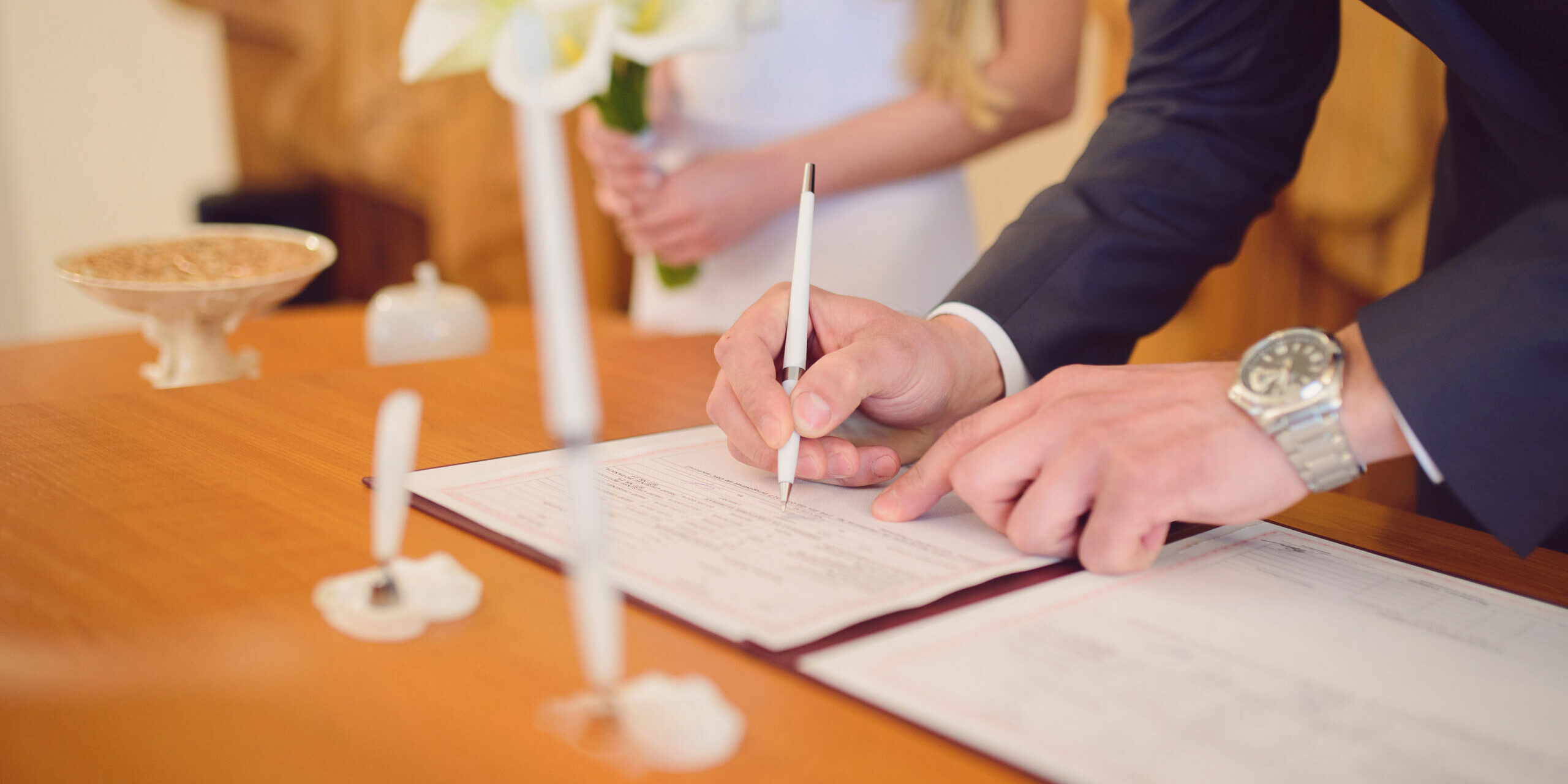
Why Wedding Flowers Matter More Than You Think
Flowers are often one of the first things guests notice when they arrive at a wedding. They shape the atmosphere, reinforce your theme, and bring colour, texture, and emotion into every part of the celebration.
But choosing wedding flowers is not simply about picking blooms you like. The right floral choices should complement your venue, attire, décor, and overall wedding style. When done well, flowers tie everything together seamlessly.
That is why floral planning works best when it is considered as part of the bigger picture. If you are still early in your wedding planning process, it helps to first understand the foundation of your wedding vision.
Once your theme, venue, and aesthetic direction are clear, choosing flowers becomes far easier and far more cohesive.
Start with Your Wedding Theme
Your wedding theme should guide almost every design decision you make, including your flowers.
A romantic garden wedding, for example, calls for very different floral arrangements than a modern minimalist celebration or a rustic outdoor ceremony.
Soft, flowing arrangements with roses and peonies may suit a classic romantic theme, while cleaner arrangements with orchids or calla lilies may fit a contemporary setting better.
The important thing is consistency. Your flowers should feel like an extension of your overall wedding style rather than a separate element.
This is also why coordinating your floral choices with bridal party attire is so important. Bridesmaids’ dresses, groomsmen accessories, and floral tones all need to work together visually.
When colours and textures align across the wedding party and décor, the entire event feels more polished and intentional.
Understanding Colour Schemes
One of the biggest mistakes couples make is choosing flowers before deciding on a clear colour palette.
Flowers are powerful because they naturally draw attention, which means they can either enhance your colour scheme or clash with it completely.
A soft neutral wedding may feature whites, creams, blush tones, and greenery for a timeless look. On the other hand, bold weddings may lean into rich reds, deep purples, or vibrant seasonal colours for more dramatic visual impact.
The season can also influence colour selection. Autumn weddings often suit earthy and warm tones, while spring weddings lend themselves to lighter pastels and fresh greenery.
The key is balance. Too many competing colours can make arrangements feel chaotic, while a focused palette creates elegance and cohesion throughout the venue.
Matching Flowers to the Season
Seasonality plays a major role in flower selection.
Choosing flowers that are naturally in season usually means:
- Better quality blooms
- More availability
- Lower costs
- Fresher arrangements
Summer weddings often feature roses, hydrangeas, and sunflowers, while winter weddings may lean toward orchids, amaryllis, or textured greenery.
Seasonal flowers also help your wedding feel connected to the time of year rather than forced or out of place.
Your Bouquet Is Only One Part of the Picture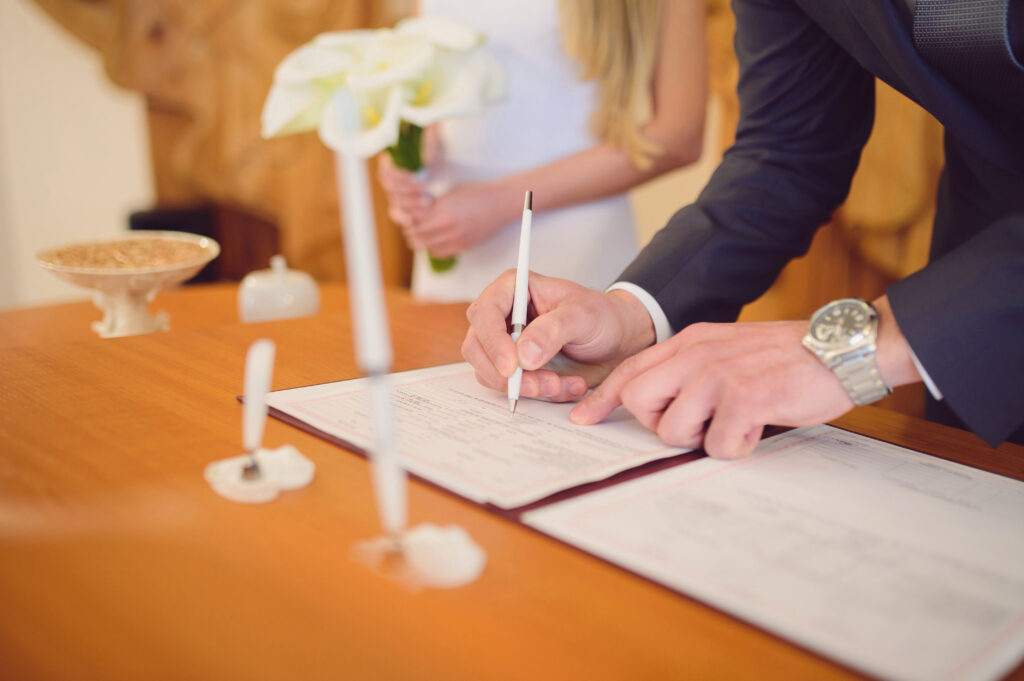
Many couples focus heavily on the bridal bouquet, but wedding flowers extend far beyond that.
Your floral design may also include:
- Ceremony arches
- Reception centrepieces
- Table runners
- Aisle arrangements
- Boutonnieres and corsages
When these elements work together, they create a complete visual experience rather than isolated decorative pieces.
This consistency should even extend to your wedding cake. Floral accents, colour palettes, and overall styling should feel connected across every detail of the wedding.
A beautifully designed cake that reflects your floral theme helps create a more cohesive and memorable aesthetic overall
Balancing Beauty and Budget
Wedding flowers can become expensive quickly, especially when couples try to use rare or imported blooms out of season.
The good news is that a beautiful floral setup does not necessarily require the most expensive flowers. Often, thoughtful design and strategic placement create more impact than sheer quantity.
Some practical ways to manage your budget include:
- Prioritising high-impact areas like the ceremony and bridal bouquet
- Using more greenery to add fullness naturally
- Repurposing ceremony flowers at the reception
- Choosing seasonal flowers wherever possible
Working with your florist early also gives you more flexibility and allows them to recommend alternatives that achieve a similar look within your budget.
Don’t Forget the Venue
Your venue should influence your floral decisions more than many couples realise.
A large ballroom may require fuller, more dramatic arrangements to avoid feeling empty, while intimate venues often benefit from softer, more understated florals.
Outdoor venues may already provide natural beauty, meaning you can use flowers more strategically rather than over-decorating the space.
The goal is to complement the environment rather than compete with it.
Wedding flowers are far more than decoration. They help create the atmosphere, reinforce your theme, and connect every visual element of your celebration.
The most successful floral choices happen when flowers are planned alongside your colour palette, attire, venue styling, and even your cake design.
When everything works together, the result feels effortless, elegant, and memorable.
By approaching floral planning as part of your overall wedding vision rather than a standalone decision, you create a celebration that feels cohesive from beginning to end.


